Skip to content
Security CirclesEducationGlobal2025

Seventy-four animated lectures, in English and Arabic, for an accredited certificate

A full curriculum taught in animation rather than slides, produced to one visual system so a learner moving from level one to level seven never changes teacher.

See it livesecurity-circles-group.com
The challenge

Security awareness training fails on attention, not on content. The material is genuinely important and almost universally delivered as a slide deck with a voice-over, which learners click through without absorbing — and an accredited certificate cannot afford that.
Seventy-four finished lectures is also a production problem rather than a creative one. Anything hand-crafted per lecture would drift: level one and level seven would look like different courses, and by the fiftieth the visual language would have quietly changed.

The subject matter resists illustration too. Encryption, phishing, data exposure and privacy are abstractions with nothing to film, so every concept needed inventing as a visual before it could be animated.

And it had to survive translation into a certified programme. Content that is accredited gets reviewed, which means the animation has to stay accurate to the script rather than take liberties for the sake of a nicer shot.

Our approach
01

Build the visual system first

One palette, one illustration style, one motion vocabulary and one set of templates, established before the first lecture was animated. The presenter bug, the brand lockup and the lower-third titles sit in the same place in every frame of all seventy-four.

02

Script and storyboard before anyone animates

Each lecture was scripted against the learning objective for its level, then storyboarded, so the review that matters happened on paper. Changing a board costs minutes; changing a finished animation costs a day.

03

Find the picture for the abstraction

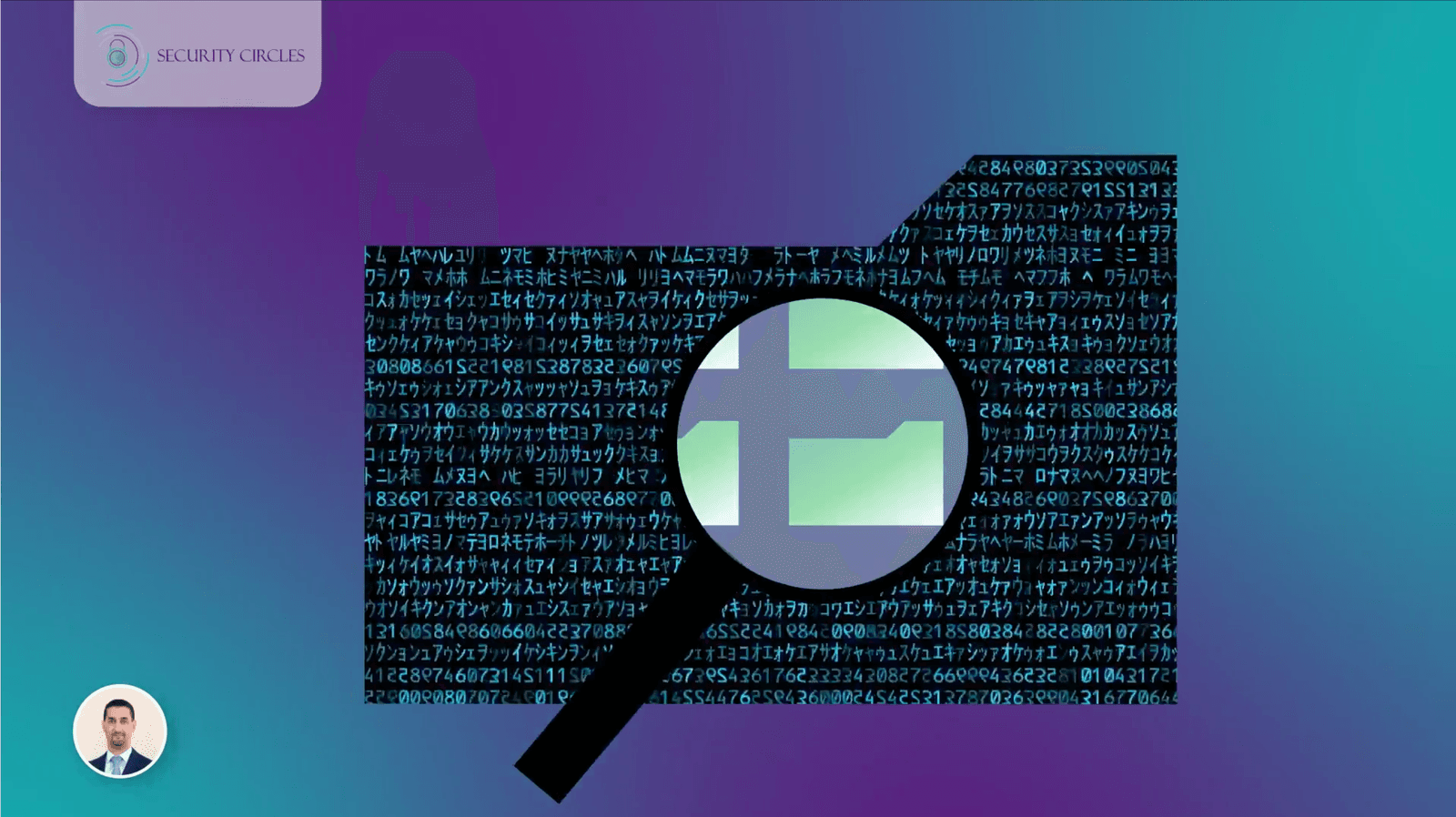
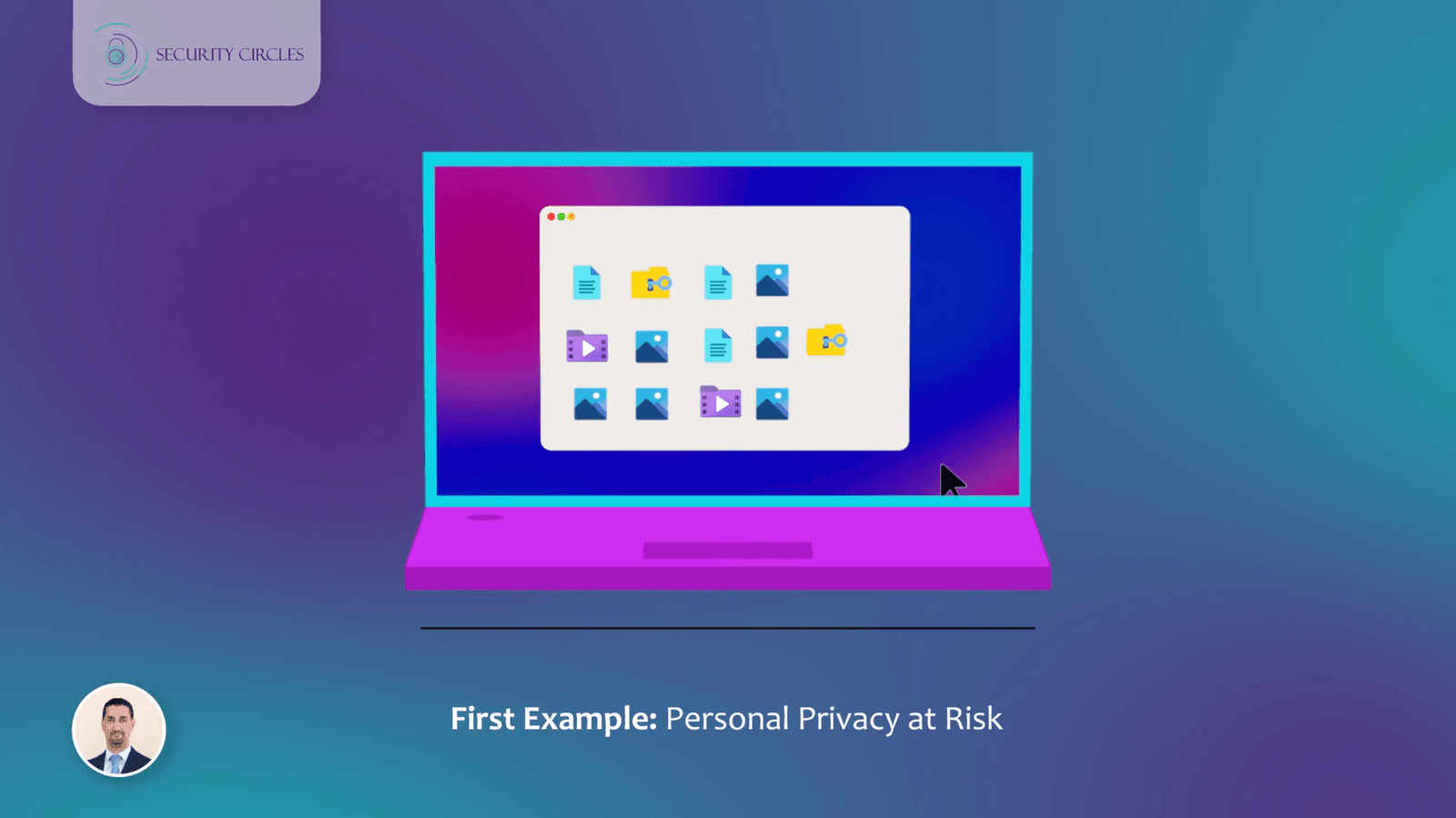
Encryption became a document dissolving into cipher text under a magnifying glass; personal privacy became a file browser exposing what the learner assumed was private. Each concept got a single visual metaphor, reused whenever it recurs so the association compounds across the course.

04

Reach for 3D where 2D could not carry it

Most of the curriculum is 2D motion graphics, which is the right tool for a process, a message or a sequence of steps. Some concepts are spatial rather than procedural — network topology, a device in its physical context, an attack path moving through infrastructure — and those were built in 3D and cut into the same visual system, so the switch reads as emphasis rather than as a different course.

05

Animate at production cadence

Reusable rigs, components and templates meant the seventy-fourth lecture was produced at the same standard as the first without being redrawn from scratch — the only way fifteen hours of finished animation stays consistent.

06

Build Arabic in, rather than dubbing it on

Arabic is not a voice-over pass. The narration runs to a different length than the English, so timings are re-cut rather than stretched; on-screen titles are right-to-left and re-set rather than translated in place; and the visual metaphors were checked to read the same way in both. Each lecture exists as two finished pieces, not one piece with a second audio track.

07

Finish and deliver

Voice-over direction, sound design, mix, subtitling, and export in the formats and ratios the platform serves — handed over as editable projects rather than flat files, so the client can revise a lecture without coming back to us.

What we built

The system, in specifics.

Thirty-seven lectures per language, seventy-four finished pieces, around twelve minutes each — roughly fifteen hours of finished content.

Every lecture delivered in both English and Arabic.

Seven progressive levels, each with its own learning objectives and its own arc.

A single visual system across the whole curriculum: palette, illustration style, motion vocabulary and typography.

2D motion graphics and kinetic typography built from reusable rigs and templates.

3D animation for the spatial concepts 2D could not carry — topology, devices in context, and attack paths moving through infrastructure.

Concept-level visual metaphors for encryption, phishing, data exposure, privacy and incident response.

Scripting and storyboarding as a reviewable stage before animation.

Voice-over direction, sound design and final mix.

Subtitles and on-screen titles for accessibility.

Delivery in the formats and aspect ratios the learning platform serves.

Editable project files handed over so lectures can be revised in-house.

The product

What it looks like in use.

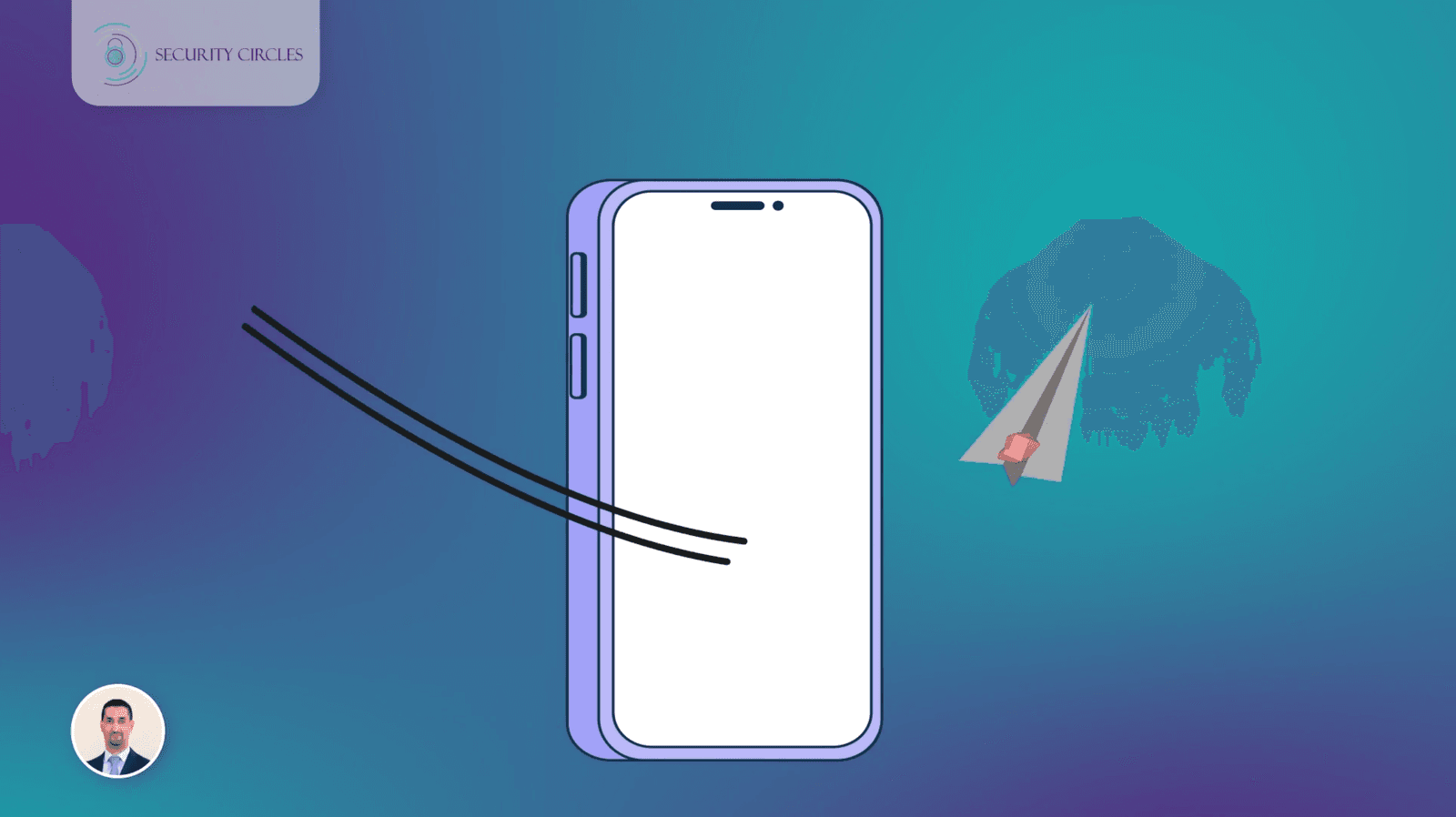
Phishing: the message arriving before the learner has decided anything
Encryption, shown as cipher text resolving under inspection
Personal privacy at risk — a concept given a picture
Outcome

What changed.

74
Finished lectures
37 English, 37 Arabic, across seven levels
~15 h
Finished content
Averaging twelve minutes per lecture
AR / EN
Every lecture, both languages
Re-timed and re-set, not dubbed

An entire accredited curriculum taught in animation rather than slides

Seventy-four lectures that read as one course, not seventy-four separate commissions

Abstract security concepts given a consistent visual language learners can carry between levels

Production cadence that held quality from the first lecture to the sixtieth

The full curriculum available in English and Arabic, not an English course with subtitles

Editable projects handed over, so the client is not locked to us for a revision

Next

Related work.

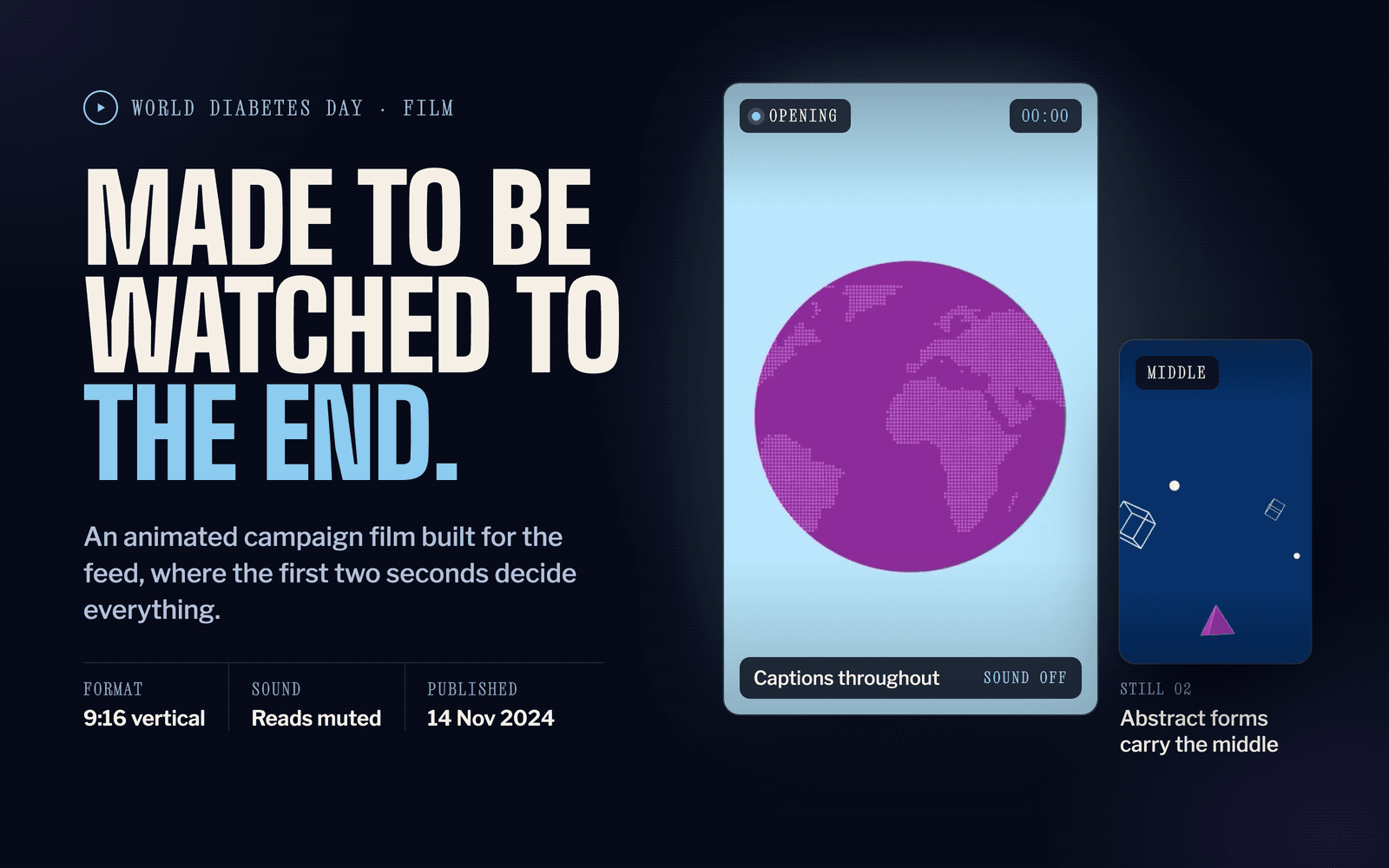
World Diabetes Day Film — A World Diabetes Day awareness film, made to be watched to the end

World Diabetes Day Film

Healthcare awareness campaignHealthcareGlobal

A World Diabetes Day awareness film, made to be watched to the end

An animated campaign film produced for World Diabetes Day 2024 — concept, script, animation and post — built for the feed, where the first two seconds decide everything.

2D motion graphicsKinetic typographyStoryboarding
Tamo Scrubs — Multi-market Shopify commerce for a medical scrubs brand

Tamo Scrubs

Tamo ScrubsE-CommerceJordan

Multi-market Shopify commerce for a medical scrubs brand

A Shopify storefront selling medical scrubs and lab coats across nine markets, with multi-currency checkout and a deep fit and fabric matrix.

ShopifyLiquidJavaScript
Read case studySee Tamo Scrubs live
Codefest — Competitive coding platform with hardware-fair grading

Codefest

CodefestEducationGlobal

Competitive coding platform with hardware-fair grading

A global coding competition platform that grades on algorithmic merit regardless of the contestant's machine.

Next.jsReactNode.js
Read case study